

Overview
Designed around the calving season
Best suited to the green season, with the strongest calving focus around January to March
This journey follows a different chapter of the Great Migration.
Instead of river crossings, the story here is new life.
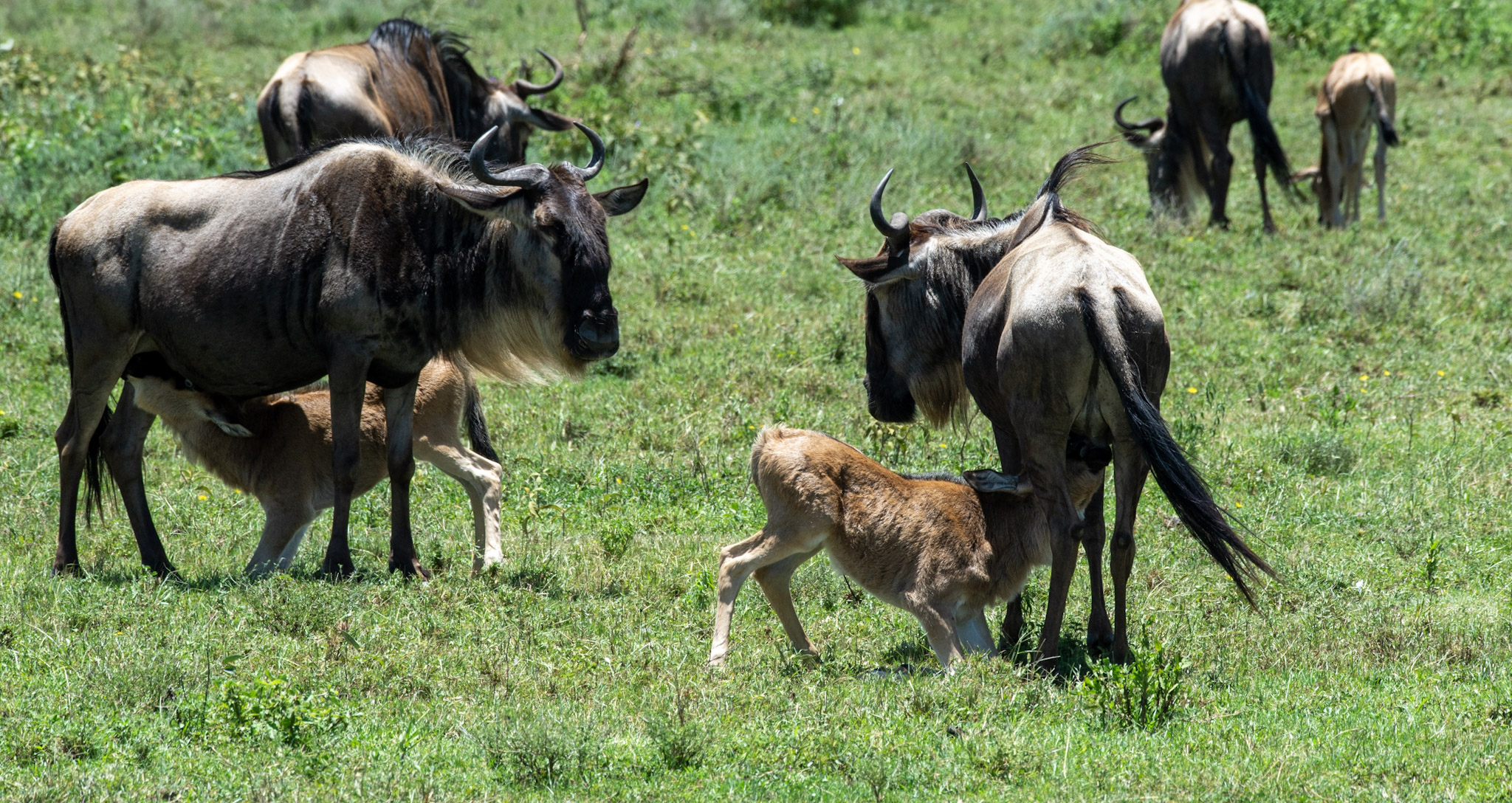
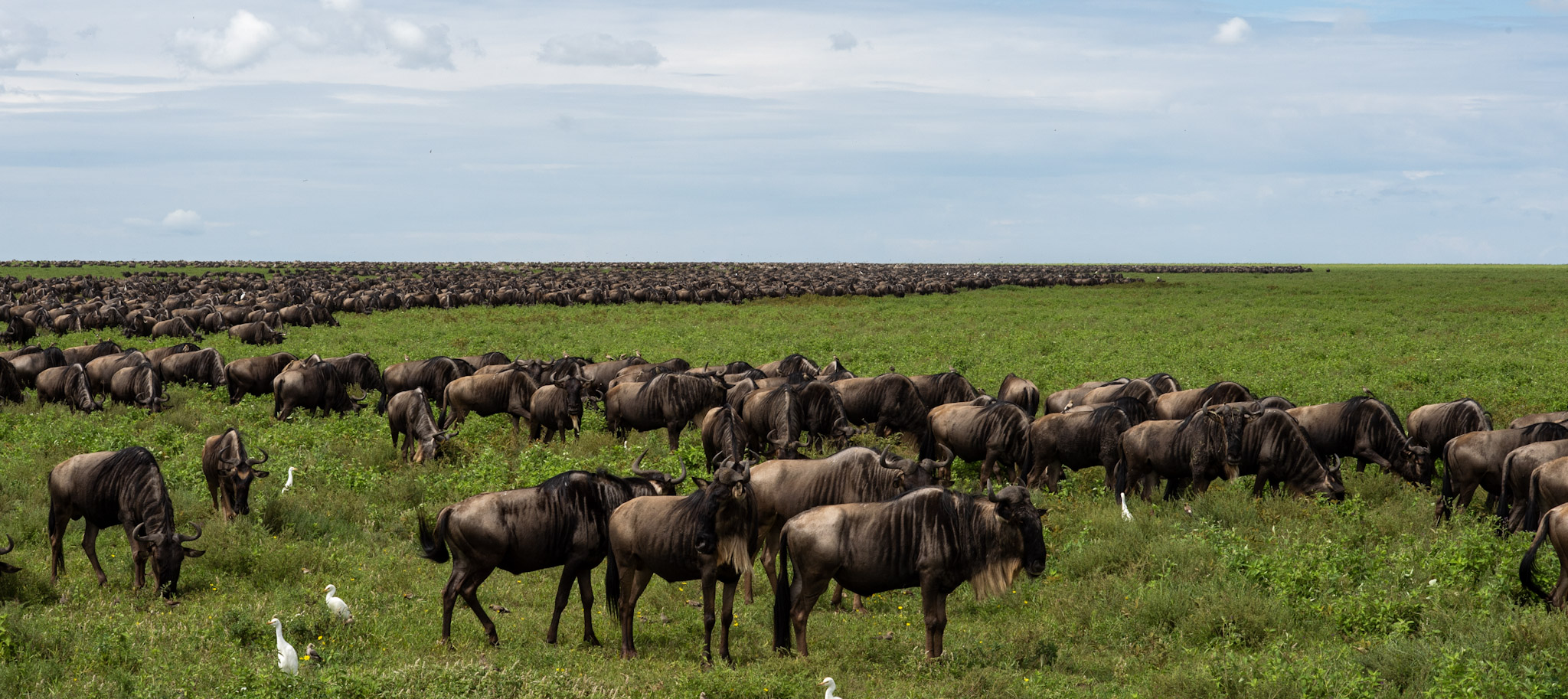
During the calving season, large numbers of wildebeest gather across the shortgrass plains of Southern Serengeti and Ndutu. Newborn calves appear across the landscape, and predators are never far behind. The original itinerary places the strongest calving focus in Ndutu, where thousands of calves may be born each day during the peak season.
That’s why this journey gradually works its way south.
You begin in Tarangire, spend time with people around Mto wa Mbu, move through Central Serengeti, then arrive in Ndutu with enough time to stay close to the migration.
From there, the journey finishes in Ngorongoro Crater.
Tour Features

Private Tour
This safari is arranged privately for your group.

Solo Travelers
Suitable for solo travelers.

Customizable
This itinerary can be customized.

Start Date
This safari can start on any day.
Highlights
Welcome to Tanzania
Elephants before the migration
Tanzania beyond the parks
The plains begin to open
Follow the season south
Stay with the calving grounds
Into Ngorongoro
Back to people
Your Safari Map
Arusha City
Tarangire National Park
Mto wa Mbu
Central Serengeti
Ndutu
Ndutu
Ngorongoro Conservation Area
Arusha City
Safari Itinerary
Kilimanjaro International Airport → Arusha :
Your journey begins at Kilimanjaro International Airport, where your Nature in Spirit guide will meet you. After you’ve collected your luggage, you’ll make the drive towards Arusha. The road gives you your first look at everyday Tanzania: roadside towns, open country, farmland and coffeegrowing areas near Mount Meru. There’s no need to rush the first evening. Once you reach the hotel, you’ll have time to rest, settle in and talk through the journey ahead with your guide. Overnight African Tulip Hotel
Accommodation
The African Tulip Hotel
Arusha → Tarangire National Park :
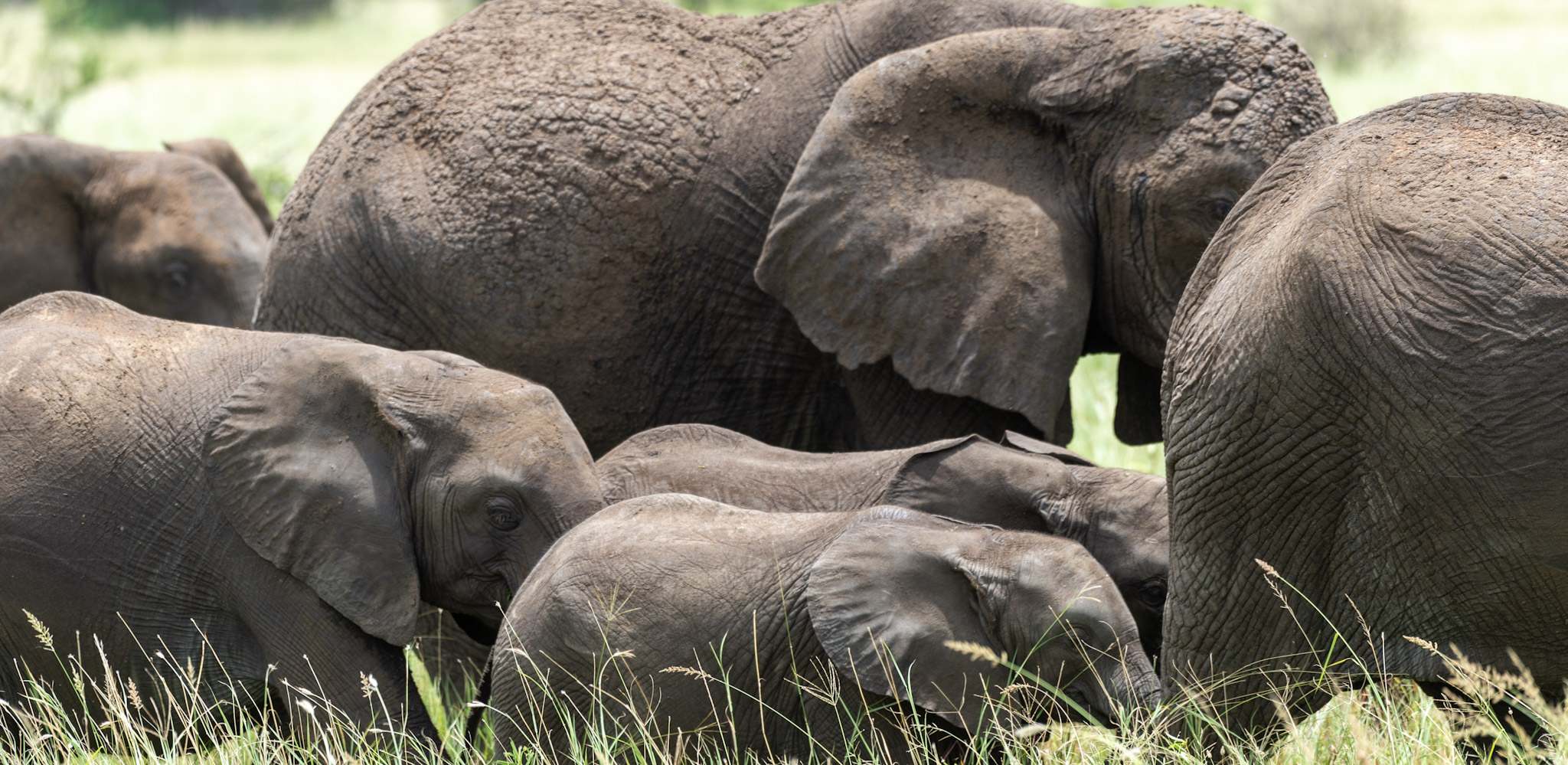
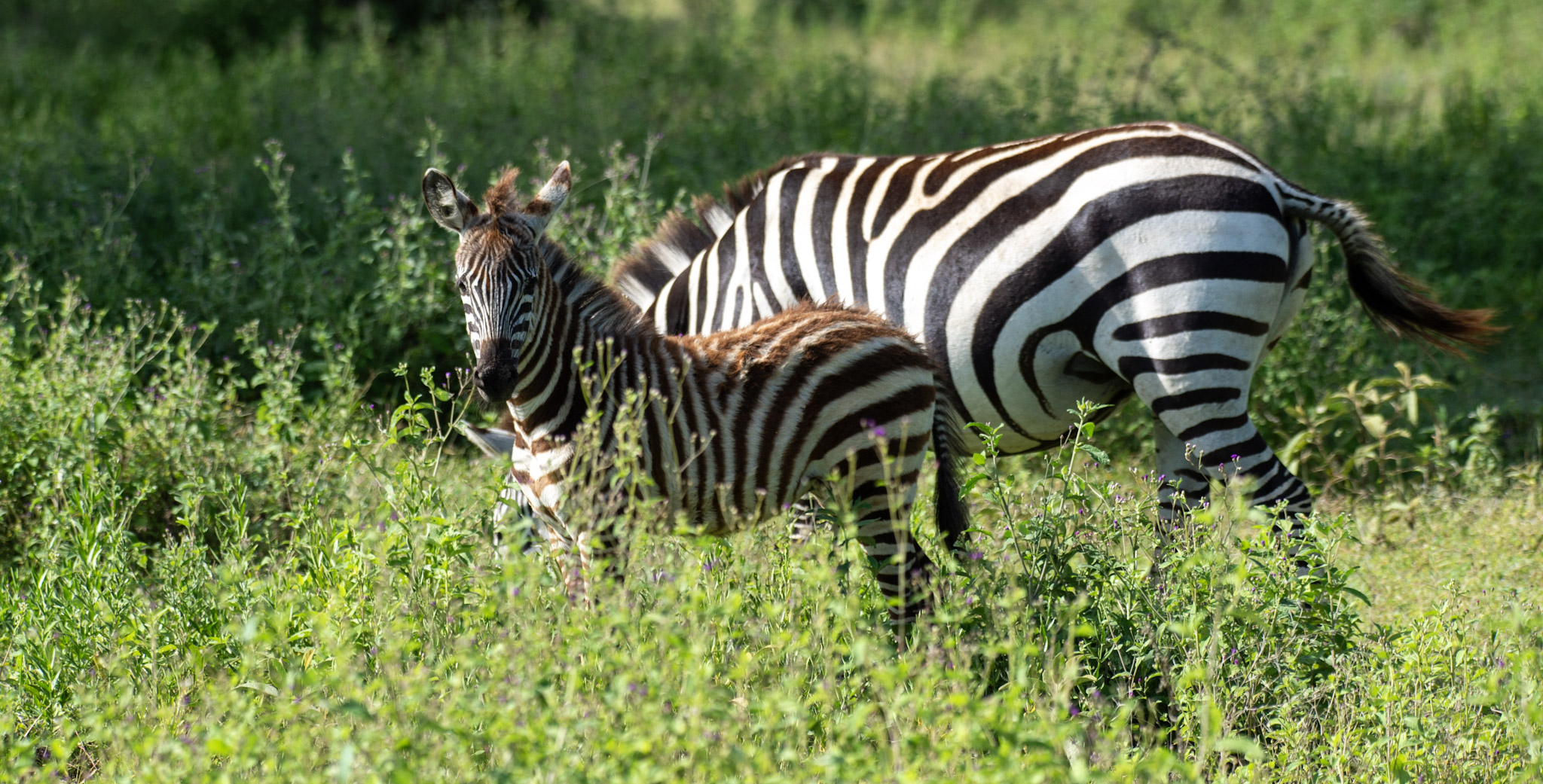
After breakfast, you’ll leave Arusha and drive towards Tarangire. The cultivated land gradually gives way to savannah and baobabs. The Tarangire River is one of the park’s defining features. Because it holds water yearround, wildlife often gathers around it, especially as surrounding areas dry. Elephants are one of the reasons Tarangire stands apart. You may see family groups feeding, moving between water and woodland, or staying close to young calves. Giraffes, zebra, wildebeest and predators all share the same landscape. After lunch, you’ll head out again in the afternoon as temperatures begin to ease. This is your first full day in the wild. Overnight Tarangire Conserve Camp
Accommodation
Tarangire Conserve Camp
Maasai community · Mto wa Mbu · Homehosted lunch:
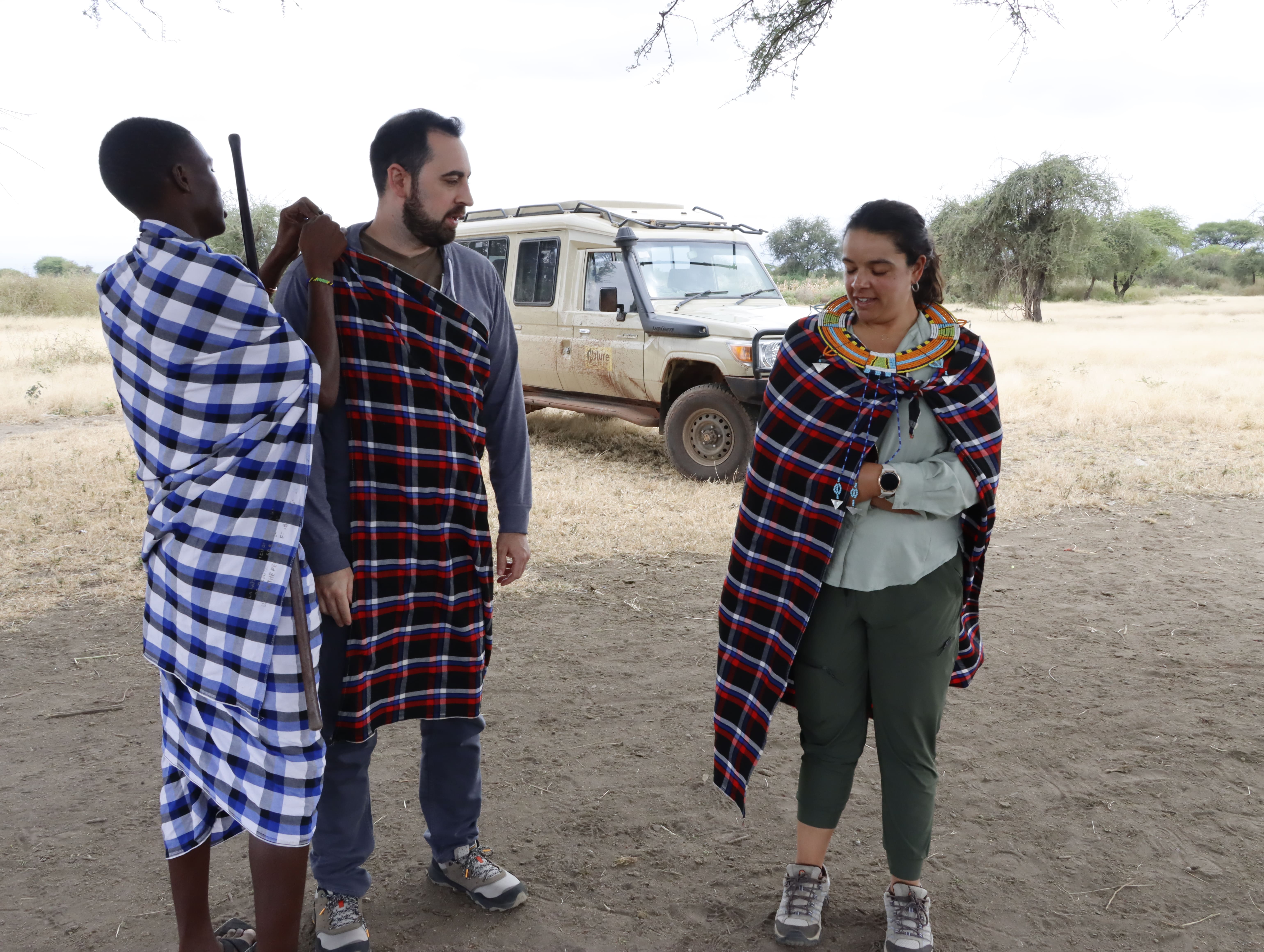
Today changes the pace. You’ll begin with a visit to a Maasai community, where you’ll spend time learning about cattle, daily life, traditional dress, beadwork and the values passed through generations. Then you’ll continue to Mto wa Mbu. With a local guide, you’ll walk through the market, meet artisans, see local produce and learn about farming and daily life in the area. Lunch is hosted in a local home. Rather than simply observing from a distance, you’ll sit down, share food and spend time with your hosts. It’s a very different kind of experience from yesterday’s game drive. That’s exactly why it belongs here. Overnight :The Retreat at Ngorongoro
Accommodation
The Retreat at Ngorongoro
Ngorongoro Highlands → Central Serengeti:
After breakfast, you’ll travel towards Serengeti National Park. The highlands gradually fall away. Then the plains open. Central Serengeti supports wildlife throughout the year, so this day isn’t simply about getting closer to Ndutu. You’ll begin looking for resident lions, cheetahs, elephants, giraffes and herds as you move through the landscape. Lunch will be taken along the way, allowing the game drive to continue without breaking the rhythm of the day. By evening, you’ll reach camp in Central Serengeti.
Accommodation
Intimate Camp Seronera
Central Serengeti → Ndutu :
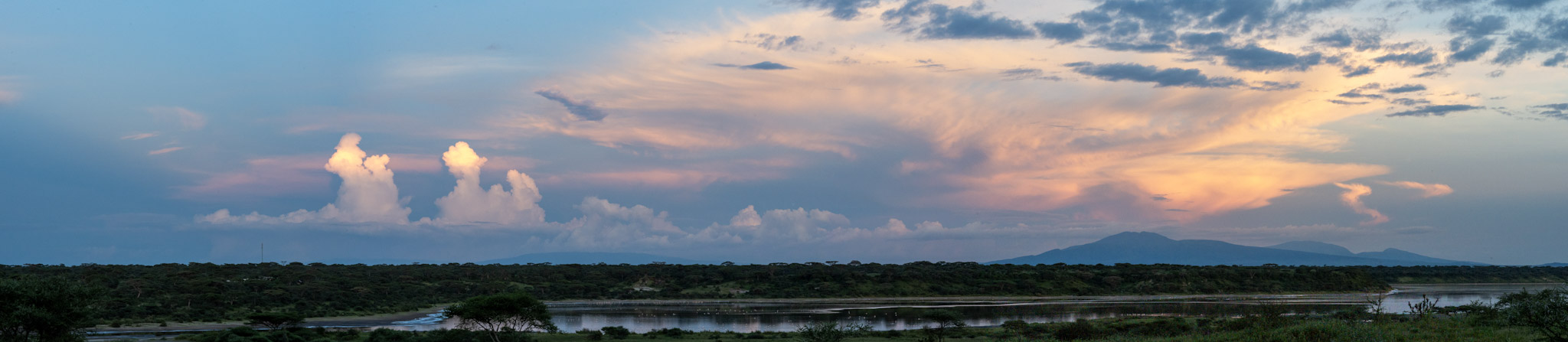
After breakfast, you’ll begin moving towards Ndutu. This is where the reason behind the journey becomes clearer. The landscape changes into shorter grass and more open plains as you move into the southern ecosystem. During the calving season, this area can hold large concentrations of wildebeest. Newborn calves attract predators. Lions, cheetahs and hyenas often become more active around the herds, and the open terrain makes behaviour easier to observe. Your game drive continues as you travel south, using what your guide sees on the ground to decide where to spend time. By afternoon, you’ll reach camp and head out again for your first focused look at the calving grounds.
Accommodation
Intimate Zebra Camp
Full day in Ndutu
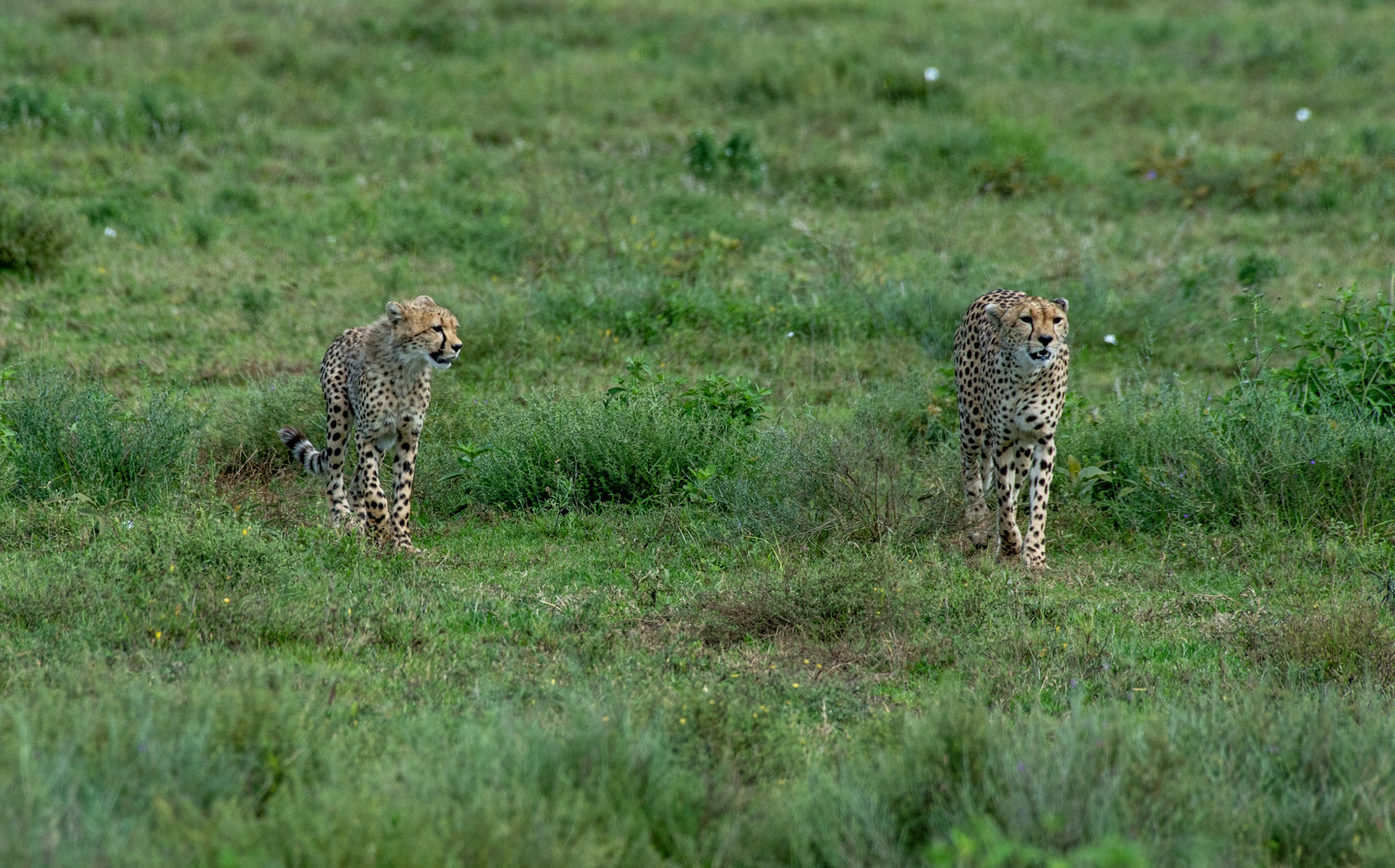
Today is the reason for giving Ndutu two nights. You’ll leave early, when the light is softer and predator activity can be higher. Across the shortgrass plains, you may see wildebeest calves only hours or days old trying to keep pace with the herd. Predators know this too. Lions, cheetahs and hyenas all use the opportunity that the calving season creates. Your guide will follow the herds and read the activity around them. You may stay with a mother and calf. You may follow a cheetah watching the plains. You may spend time around seasonal lakes. You may find that the most interesting part of the day happens somewhere you didn’t expect. Breakfast and lunch can be taken in the field, keeping you close to the wildlife rather than returning to camp simply because of the clock. By late afternoon, the pace slows again. This is a full day not because there is a checklist to complete, but because the calving season is worth giving time to. Overnight Intimate Zebra Camp
Accommodation
Intimate Camp Seronera
Ndutu → Ngorongoro Crater:
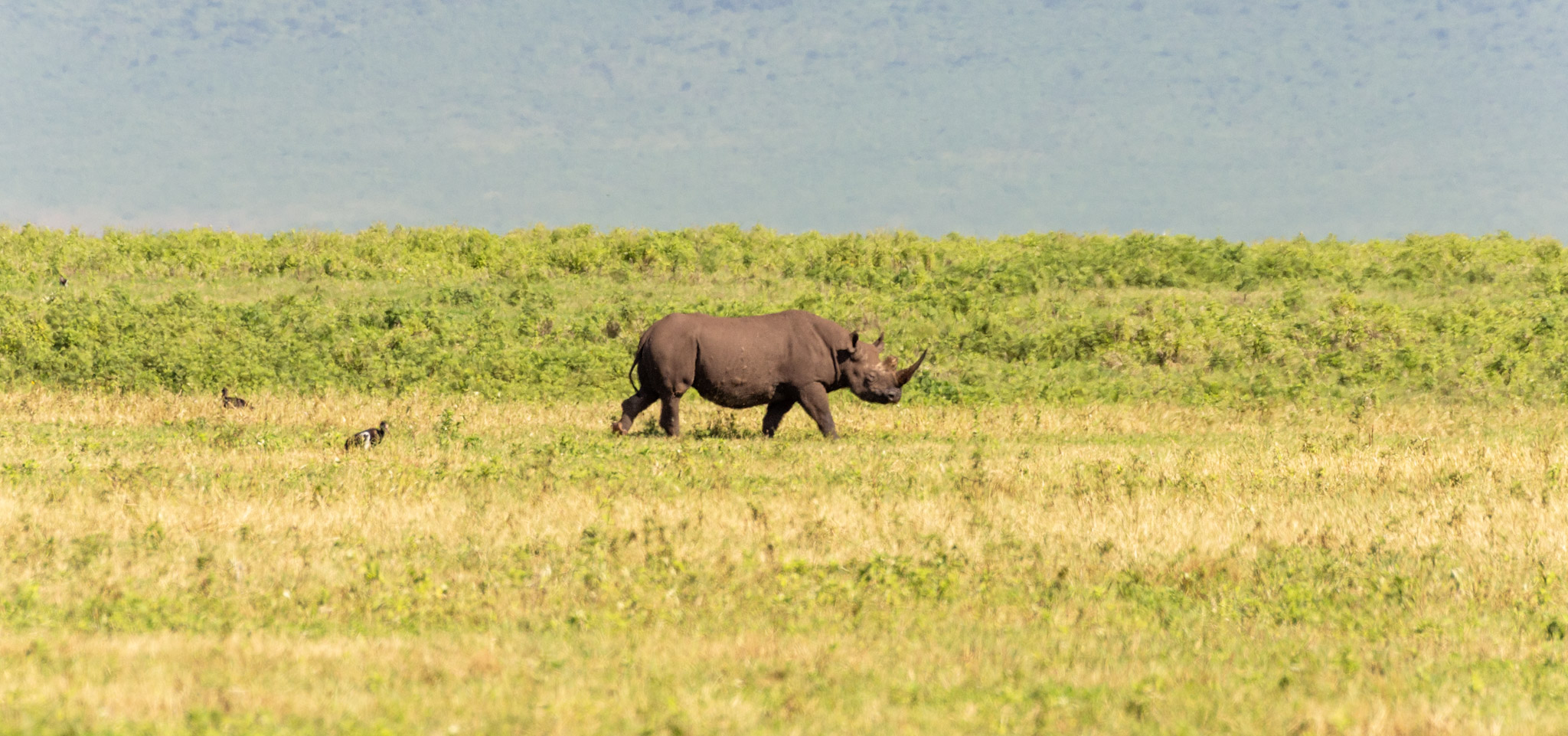
After breakfast, you’ll leave the open plains behind and begin climbing into the Ngorongoro highlands. At the rim, the crater opens below you. Then you descend. The crater floor is a completely different wildlife environment from Ndutu. Here, grassland, woodland, wetlands and lakes sit within the walls of the caldera. You may see lions, buffalo, hippos, elephants, hyenas and, with luck, black rhino. Lunch is taken inside the crater, giving you most of the day to explore before climbing back to the rim. After several days of open plains, the crater feels almost enclosed by comparison. That contrast is part of the experience. Overnight Ngorongoro Serena Safari Lodge
Accommodation
Ngorongoro Serena Safari Lodge
Ngorongoro → Arusha → Kilimanjaro International Airport:
After breakfast, you’ll leave the highlands and drive back towards Arusha. The landscape changes slowly from crater country to farmland, villages and town life. In Arusha, you’ll stop for lunch at Arusha Coffee Lodge. After lunch, you’ll visit Shanga, where artisans with disabilities create jewellery, glassware, textiles and homeware using recycled materials. It’s a fitting place to finish. The journey started with wildlife and has moved through landscapes, communities and the calving grounds. The final stop brings you back to people. From Arusha, we’ll transfer you to Kilimanjaro International Airport for your onward flight. The source itinerary also ends with lunch at Arusha Coffee Lodge, Shanga and the airport transfer.
 Tanzania